Review of “Controlling the Dragon” by Randall A. Dodgen
In this book, the author Randall A. Dodgen explains the historical link between flooding in the Yellow River and the complex relationship between the ancient Chinese state, the river, and bureaucracy, as well as the struggle of the dynasties to control the flood-prone river and its political significance throughout history, starting during the early Xia dynasty. The book provides two different views of this trio relationship. One perspective explains flooding in the river as the result of mismanagement and corruption, which links the decline of dynasties to uncontrolled flooding. The second view defines flooding in the Yellow River as a natural phenomenon that human institutions could not control.
It is stated in the book that the stability of the dynasty was dependent on the stability of the dikes of the Yellow River. The Yellow River shaped Chinese identity and history because different dynasties depended on controlling and managing the river for the safety and human security of the people, on whom the taxation system of the dynasty was dependent.
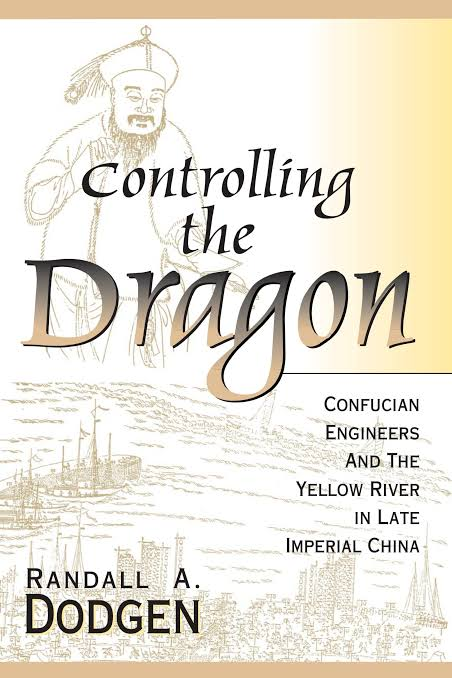
The subject of the book is the development of the hydraulic system and water management, and it is also an account of the Confucian engineers who played a crucial role throughout history by constructing the Grand Canal, channelizing the Yellow River water into canals, and managing the spillways and waterways. The role of Confucian engineers is portrayed as one of the most difficult jobs at that time because they had to handle the complex conditions of the river that were created by rulers when the river was confined outside its natural course for the sake of inland grain transportation.
The author explains in detail the functioning of state administration and its connection with hydraulic policies, bureaucratic and fiscal issues, and engineering strategies. The author also explains that the work of Confucian engineers was ineffective because of hydraulic policies, the institutional weakness of the state, and the interests of the River Conservancy body. Furthermore, the barrier between civilian administration and military engineering also weakened control over the river system, which ultimately converted the river bureaucracy into an irregular bureaucracy characterized by the unemployment of the literati.
This work also highlights corruption and nepotism by the river authority. There was criticism of officials, alleging that floods were intentionally caused in order to generate opportunities for corruption in the name of repair funds. On the other hand, the book rejects such claims and states that they are absurd because flooding had an impact on the careers of those who were responsible.
This book helped me understand the subject more critically, as the history of human geography is written in detail with interesting case studies of one of the great human civilizations, “The Confucians.” The book covers the subject from different dimensions, such as administration, politics, engineering, Confucian values, and water bureaucracy. This book can prove to be helpful for researchers working on water-related projects and may also be helpful in providing information to water engineering experts.
About the Author : Asad Ali is an MPhil graduate in Pakistan Studies from NIPS, Quaid-i-Azam University. His research interests include National security affairs, South Asian hydro-politics, political ecology, climate change, water security, governance, and non-traditional security.